Impact & Projects
Delivering technical excellence through integrated engineering and strategic consulting solutions globally.
TA 58238-002 NEP: Green and...
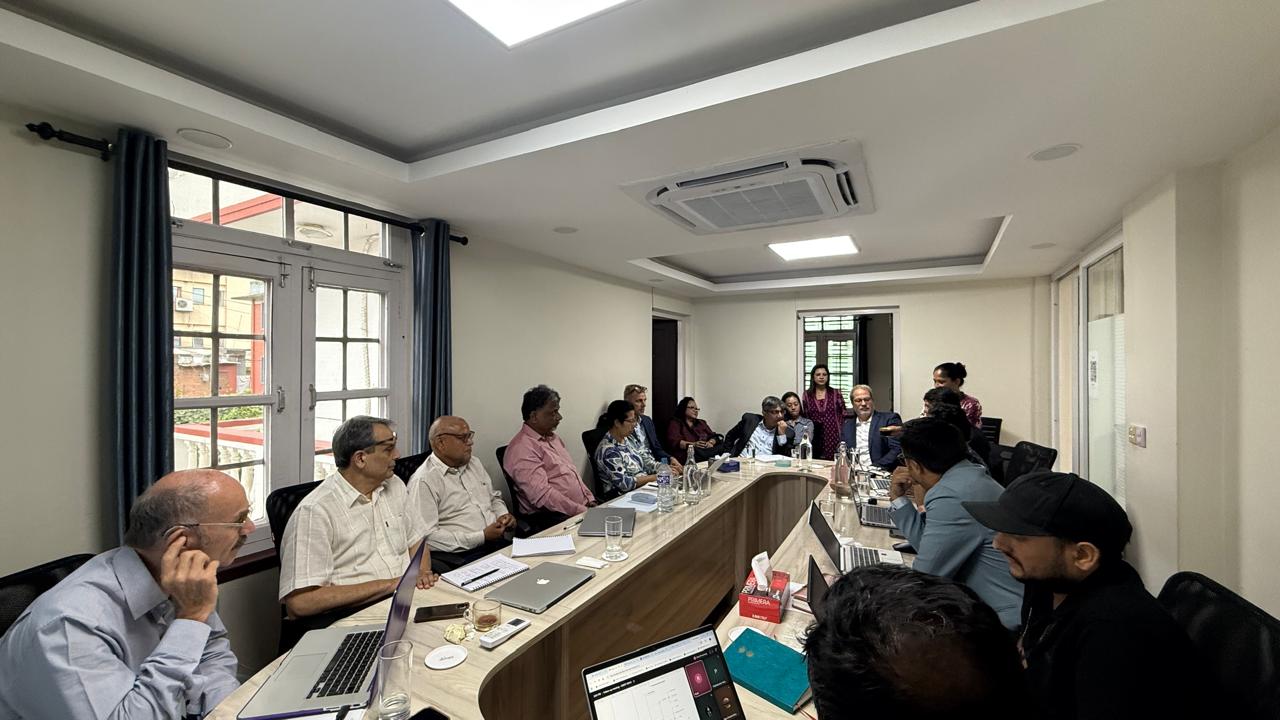
The GREFF is a large-scale, transformative program designed to address Nepal’s climate vulnerabilities through strategic planning, financing mechanisms, and capacity development. It aims to create a financing facility offering grants, concessional loans, and guarantees to support climate adaptation projects. The program aligns with Nepal’s National Adaptation Plan (NAP), Nationally Determined...
TA 58238-002 NEP: Green and Resilience Financing Facility Investment Program - Consulting firm for Design of Green and Resilience Financing Facility Investment Program
Client
Asian Development Bank /Ministry of Finance, Government of Nepal (Executing Agency), Japan Fund for Prosperous and Resilient Asia and the Pacific, Community Resilience Partnership Program Trust Fund
Period
Jun 2025 - Dec 2026
Category
Climate Finance
The GREFF is a large-scale, transformative program designed to address Nepal’s climate vulnerabilities through strategic planning, financing mechanisms, and capacity development. It aims to create a financing facility offering grants, concessional loans, and guarantees to support climate adaptation projects. The program aligns with Nepal’s National Adaptation Plan (NAP), Nationally Determined Contributions (NDC), and the GRID framework, aiming for systemic change through four key outputs: strengthened policy frameworks, finance-ready subprojects, accessible financing, and mobilization of future resources. Operational Priorities • OP1: Addressing remaining poverty and reducing inequalities • OP2: Accelerating progress in gender equality • OP3: Tackling climate change, building climate and disaster resilience, and enhancing environmental sustainability • OP4: Making cities more livable • OP5: Promoting rural development and food security • OP6: Strengthening governance and institutional capacity • OP7: Fostering regional cooperation and integration
Approx. value of the contract (in current US$ or Euro): USD 2,100,000
Country: Nepal
Location within the country: Kathmandu (primary), with coordination across national, provincial, and local levels.
Duration of assignment (months): 24 months
Name of associated Consultants, if any: NIRAS – Lead/ AETS – Sub-consultant/ WAI – Sub-consultant
Description of actual services provided by your staff within the assignment:
- A comprehensive climate vulnerability assessment and barrier analysis will be conducted, mapping Nepal’s exposure to hazards and identifying financial, institutional, and technical gaps.
- A strategic framework for GREFF will be developed, aligned with the National Adaptation Plan (NAP), Nationally Determined Contributions (NDC), and GRID platform, defining tranche-based visions, objectives, and theory of change.
- The facility’s multi-window financing structure (concessional loans, grants, credit guarantees, TA) will be designed, including:
- The formulation of eligibility and selection criteria for subprojects and sub-borrowers
- Drafting of operational procedures, digital monitoring tools, and the Facility Administration Manual (FAM)
- A pipeline of finance-ready subprojects and integrated resilience packages will be shaped by:
- Incorporating climate-smart technologies, gender equality & social inclusion (GESI) measures, and environmental safeguards
- Advising on watershed-based, ecosystem-sensitive interventions to maximize co-benefits
- Economic and financial analyses (cost–benefit, financial IRR, contingent valuation) will be performed, and due-diligence protocols will be developed in line with ADB’s Environmental and Social Management System (ESMS).
- An in-depth policy and institutional review of the proposed Financial Intermediation Loan (FIL) will be conducted, and capacity-building plans will be designed to strengthen government and partner institutions.
- Support will be provided for the accreditation of Financing Facility Implementation Partners by assessing their ESMS, financial management systems, and governance arrangements.
- Inclusive stakeholder consultations will be facilitated, engaging ministries, development partners, the private sector, civil society (with emphasis on marginalized groups), and community representatives to validate design choices and build ownership.
- Core ADB documentation will be prepared, including inputs to the Report and Recommendation of the President (RRP), tranche-1 Periodic Financing Request (PFR), Framework Financing Agreement (FFA), and initial funding proposals to the Green Climate Fund (GCF).
Consultancy Services for Road Management...
The Millennium Challenge Corporation (MCC) and the Government of Nepal established a Compact to fund the Electricity Transmission Project (ETP) and the Road Maintenance Project (RMP). Under the RMP, this project provided Technical Assistance (TA) to the Department of Roads (DoR) and Roads Board Nepal (RBN) to improve road maintenance...
Consultancy Services for Road Management Firm Technical Assistance Ref No.: MCA-N/RMP/QCBS/018
Client
Millennium Challenge Account-Nepal (MCA-Nepal)
Period
May 2026 - Runnnig
Category
Infrastructure & Transport
The Millennium Challenge Corporation (MCC) and the Government of Nepal established a Compact to fund the Electricity Transmission Project (ETP) and the Road Maintenance Project (RMP). Under the RMP, this project provided Technical Assistance (TA) to the Department of Roads (DoR) and Roads Board Nepal (RBN) to improve road maintenance planning, assessment, and implementation across the Strategic Road Network (SRN). The primary objective was to maintain road quality, avoid early pavement deterioration, and reduce vehicle operating costs through evidence-based maintenance strategies and improved data collection. The project outputs focused on delivering an independently calibrated HDM-4 pavement deterioration model, establishing improved road data collection techniques, and developing a comprehensive Pavement Preservation and Rehabilitation Manual. Furthermore, the project focused on integrating new, climate-resilient pavement technologies, specifically Full Depth Reclamation (FDR), Superpave mix design, and asphalt milling into Nepal’s institutional framework. Crucially, these technical outputs were designed to feed directly into and modernize DoR's Road Asset Management System (RAMS) and Highway Management Information System (HMIS). By integrating advanced data collection, automated traffic analytics, and HDM-4 modeling outputs into the RAMS framework, the project enabled the formulation of data-driven, multi-year maintenance plans driven by life-cycle cost analysis and economic justification.
Approx. value of the contract (in current US$ or Euro): USD 3,543,285.00
Country: Nepal
Location within the country: Kathmandu
Duration of assignment (months): 36 Months
Address: Yak & Yeti Complex, Durbar Marg, Kathmandu, Nepal.
Name of associated Consultants, if any: Finnish Overseas Consultants Ltd. (FINNOC), Finland (Lead Firm)
Group of Engineers Consortium (GEC) Pvt. Ltd. (Sub Consultant)
Water Asia International Pvt. Ltd. (Sub Consultant)
Alliance For Sustainability and Resilience Pvt. Ltd. (Sub Consultant)
Description of actual services provided by your staff within the assignment:
- Mobilized the project team and submitted the Inception Report, detailing the three-level Work Breakdown Structure (WBS), updated methodology, and comprehensive Quality Assurance/Quality Control (QA/QC) procedures.
- Conducted a situational awareness assessment of the SRN, evaluating current pavement management practices, data collection methods, and hardware/software needs to modernize the Highway Management Information System (HMIS).
- Developed a Stakeholder Engagement Plan aligned with IFC Performance Standards, mapping relevant stakeholders across DoR, RBN, the Institute of Engineering (IoE), and the private sector to ensure institutional ownership.
- Amended the DoR Pavement Distress Identification Manual to align with HDM-4 protocols, incorporating diagnostic testing methods, threshold limits, and standardized data collection procedures for identifying root causes of pavement deterioration.
- Performed a Level III calibration of the HDM-4 pavement deterioration models for roughness, rutting, and cracking, utilizing local traffic loading data, subgrade properties, and climate-resilient parameters specific to Nepal.
- Delivered technical workshops and produced a Technology Adoption Roadmap to facilitate public and private sector adoption of new pavement technologies, including FDR with cement stabilization, Superpave asphalt, and pavement milling.
- Authored the comprehensive Pavement Preservation and Rehabilitation Manual, integrating life-cycle cost analysis, environmental and social safeguards, occupational health and safety (OHS) protocols, and performance-based specifications.
- Integrated pavement distress aspects, deterioration models, budget scenarios, and multi-criteria decision analysis (MCDA) methods directly into DoR’s Road Asset Management System (RAMS), linking GIS-based visualization tools with HDM-4 outputs for real-time decision dashboards.
- Designed and executed a competency-based training curriculum for approximately 200 participants from public agencies, private contractors, and academia using blended learning formats, and created a digital learning repository for sustained institutional use.
- Conducted an economic analysis of alternative funding sources for pavement preservation and developed high-level decision dashboards to visualize SRN asset values and funding scenarios for policymakers.
- Provided technical assistance to DoR and RBN to operationalize an improved Pavement Management System (PMS), producing a 5-year investment prioritization plan based on mechanistic-empirical testing and HDM-4 outputs.
- Supported the project's Monitoring and Evaluation (M&E) framework by reviewing project logic diagrams, setting indicator baselines, tracking training attendance disaggregated by gender, and developing rubrics for external evaluation.
- Executed Option Period tasks, including a scientifically designed Willingness-to-Pay (WTP) survey targeting diverse road users to justify additional road maintenance levies and recommend sustainable funding mechanisms.
- Delivered monthly progress presentations, special reports, and the Final Technical Assistance Report synthesizing all HDM-4 calibration files, updated fatigue curves, and investment simulations to ensure a complete knowledge transfer to local road agencies.

TA-10111 REG: Strengthening Capacity for...
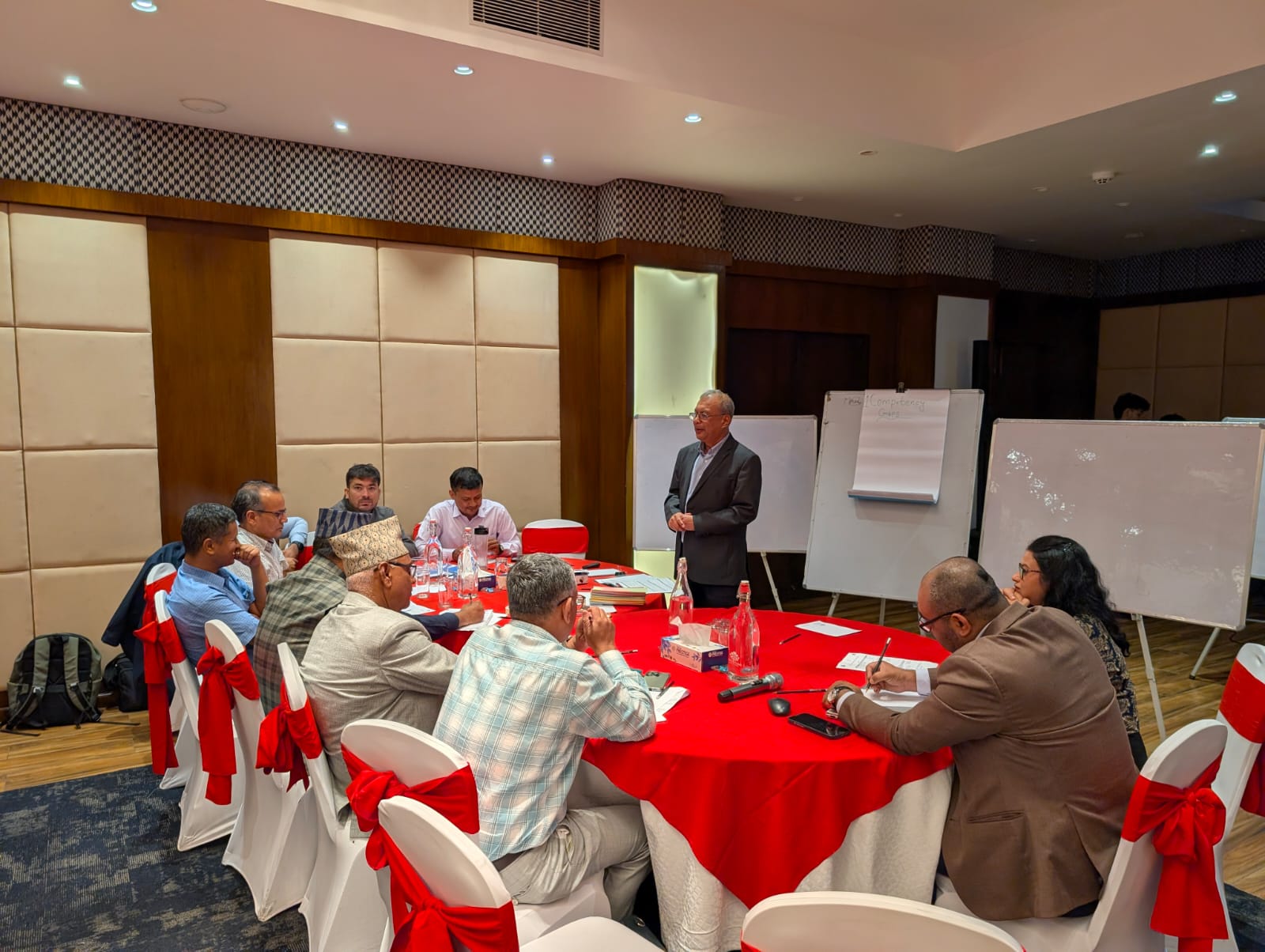
The assignment was carried out under the Asian Development Bank (ADB) Technical Assistance (TA-10111) "Strengthening Capacity for Livable and Resilient Cities" program, supporting the preparation of the Kathmandu Valley Water Sector Reform Program (KVWSRP) in Nepal. The project aimed to strengthen climate resilience, urban water sector governance, and institutional reforms...
TA-10111 REG: Strengthening Capacity for Livable and Resilient Cities (NEP-PBL KVWSRP) - Climate Change and Urban Water Sector Reform Specialist (National) (57058-001)
Client
Asian Development Bank (ADB)
Period
Mar 2026 - Jun 2026
Category
Climate Resilience
The assignment was carried out under the Asian Development Bank (ADB) Technical Assistance (TA-10111) "Strengthening Capacity for Livable and Resilient Cities" program, supporting the preparation of the Kathmandu Valley Water Sector Reform Program (KVWSRP) in Nepal. The project aimed to strengthen climate resilience, urban water sector governance, and institutional reforms within Kathmandu Valley's water supply and sanitation sector. The assignment supported ADB and government agencies in integrating climate change considerations, climate risk and vulnerability assessments, urban water sector reform strategies, and sustainable service delivery approaches into project design and implementation. Services included policy and institutional analysis, climate resilience planning, support for project preparation and due diligence, stakeholder consultations, capacity building, and recommendations for improving water sector governance, operational efficiency, and long-term sustainability of urban water services. The assignment contributed to ADB's broader objective of developing livable, resilient, and sustainable cities through improved urban infrastructure, climate adaptation, and sector reforms.
Approx. value of the contract (in current US$ or Euro): USD 7050
Country: Nepal
Location within the country: Kathmandu
Duration of assignment (months): 3 months
Description of actual services provided by your staff within the assignment:
- Conducted climate risk and vulnerability assessments for the Kathmandu Valley Water Supply Reform Program (KVWSRP), focusing on urban water security and resilience.
- Provided technical expertise on climate change adaptation measures, ensuring integration of disaster risk management and resilience-building strategies into project design.
- Supported urban water sector reform initiatives, including policy dialogue, institutional strengthening, and recommendations for tariff adjustments and sustainable operation and maintenance.
- Assisted in capacity building of implementing agencies through targeted training programs on procurement planning, climate change adaptation, and emerging urban sector issues.
- Contributed to the preparation of knowledge products documenting innovative approaches in urban water management, including case studies and policy briefs.
- Coordinated with ADB, government agencies, and stakeholders to ensure project readiness, compliance with ADB safeguards, and effective governance standards.
- Provided specialized consulting support to address unforeseen challenges during project implementation, including transitional procurement support and technical refinements.
TA-10692 NEP: Kathmandu Valley Ecological...
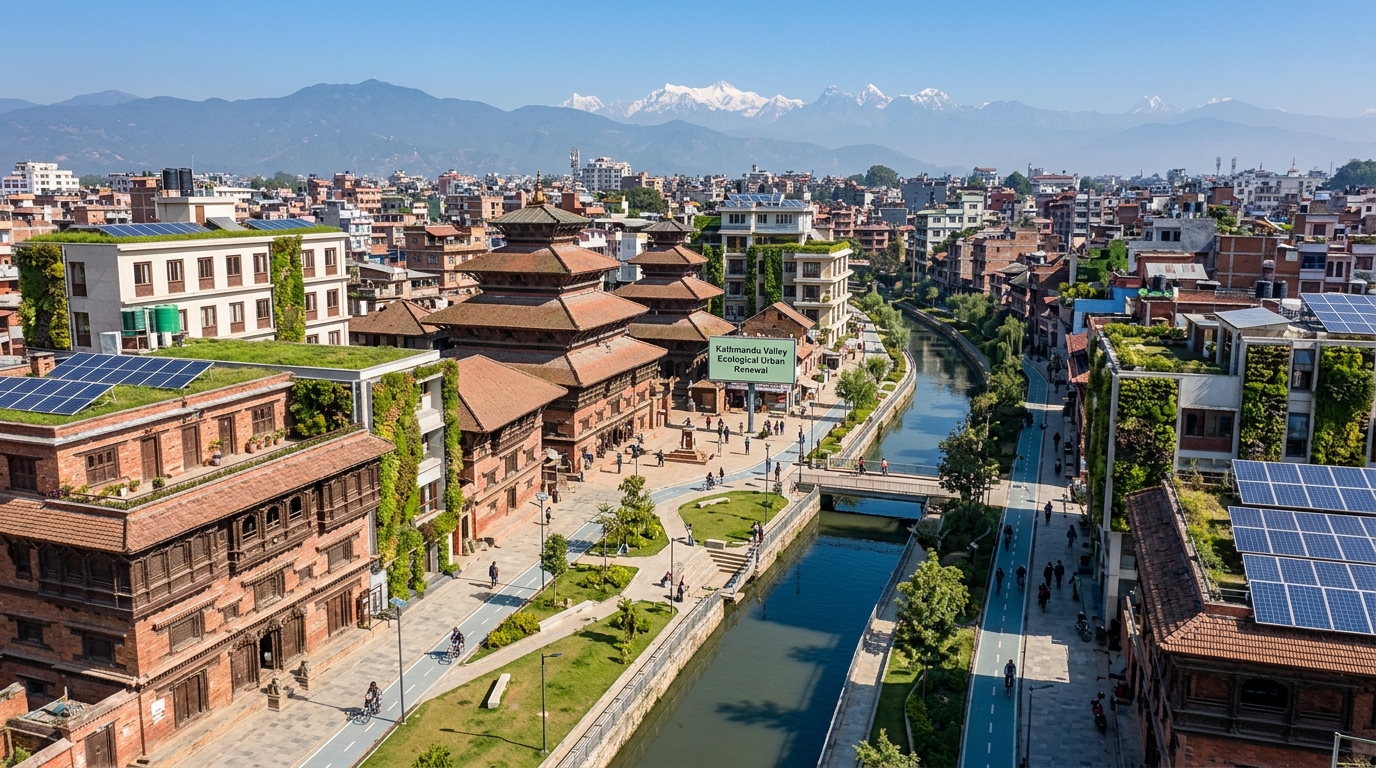
The Kathmandu Valley Ecological Urban Renewal Project is aimed at delivering Phase 1 (Output 1) to prepare, validate, and finalize the scope, location, and technical parameters of ecological urban renewal initiatives across the Kathmandu Valley. The initiative establishes a foundation for ensuing detailed feasibility studies (Output 2) by anchoring preliminary...
TA-10692 NEP: Kathmandu Valley Ecological Urban Renewal - National Hydromorphologist/ Water Management Specialist (59472-001)
Client
Asian Development Bank (ADB)
Period
Jul 2026 - Feb 2027
Category
Water Resources and Hydrology
The Kathmandu Valley Ecological Urban Renewal Project is aimed at delivering Phase 1 (Output 1) to prepare, validate, and finalize the scope, location, and technical parameters of ecological urban renewal initiatives across the Kathmandu Valley. The initiative establishes a foundation for ensuing detailed feasibility studies (Output 2) by anchoring preliminary concepts in on-site conditions, disaster risk exposure, climate change projections, and community priorities. Phase 1 focuses on intensive upstream field investigations, technical assessments, land tenure diagnostics, and structured stakeholder consultations. Key interventions involve developing resilient river parks, wetlands, water retention ponds, and wastewater interceptor corridors along priority river catchments (including informal settlement redevelopment sites such as Thapathali, Manohara, and Gokarna). Emphasizing nature-based solutions and climate resilience, the project delivers detailed baseline data, institutional diagnostics, land management models (e.g., land pooling and readjustment), and safeguards frameworks. All outputs are consolidated into a Phase 1 Synthesis and Transition Report along with standardized GIS and survey layers to ensure a direct, seamless transition to Output 2 without duplication of work.
Approx. value of the contract (in current US$ or Euro): USD 34,300
Country: Nepal
Location within the country: Kathmandu
Duration of assignment (months): 3 months
Description of actual services provided by your staff within the assignment:
Hydromorphological & Field Survey Leadership: Led on-site field surveys across priority river corridors, wetlands, and water retention sites to assess hydromorphological dynamics and validate upstream pre-feasibility assumptions.
Technical Design Refinement & Scoping: Applied field survey findings to refine conceptual design parameters, riverbank restoration limits, water retention features, and nature-based solutions adapted to localized site conditions.
Data Integration & Mapping Support: Compiled, interpreted, and structured field hydromorphological data into GIS-compatible formats to establish accurate technical baselines usable for subsequent feasibility and design optimization stages.
Disaster & Climate Resilience Assessment: Assisted in evaluating disaster risk exposure, flood mitigation risks, and extreme rainfall scenarios to ensure river management components were designed for long-term climate resilience.
International Collaboration & Technical Guidance: Worked under the direct guidance of the International Hydromorphologist to align national field findings with international technical standards and overall TA objectives.
Transition & Continuity Support: Prepared handover inputs and participated in initial technical briefings with the Output 2 consulting team to preserve institutional memory and support smooth mobilization.